Several years ago, I published a guide for educators called, “How Inclusive is Your Literacy Classroom… Really?” Since then, I’ve kept coming back to these questions and have found them to be an important way to keep myself accountable in the work of creating truly inclusive classrooms. Now just a few weeks before my book is finally published, I’m re-sharing the guide, updated with a downloadable PDF that educators can use for self- and group reflection. These questions also appear in Chapter 1 of my book, along with several other invitations for self-reflection.


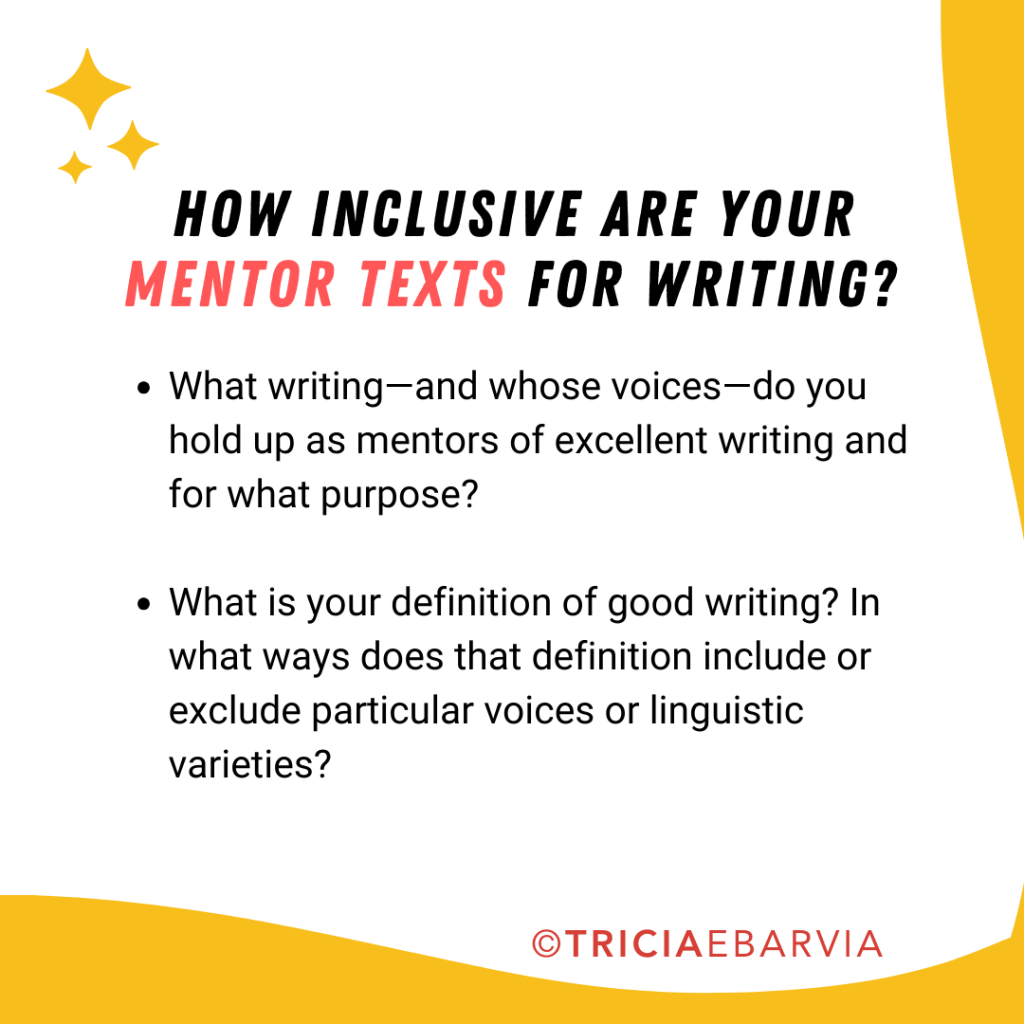

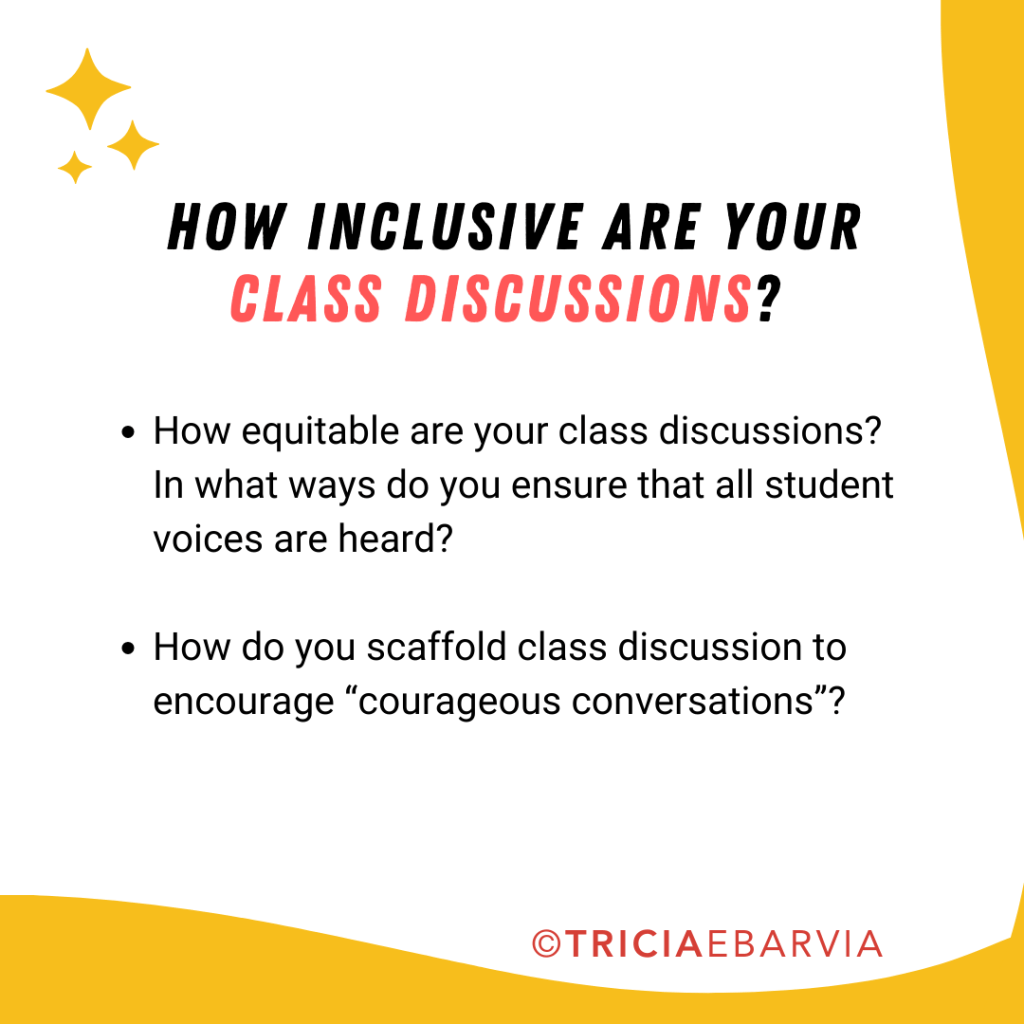
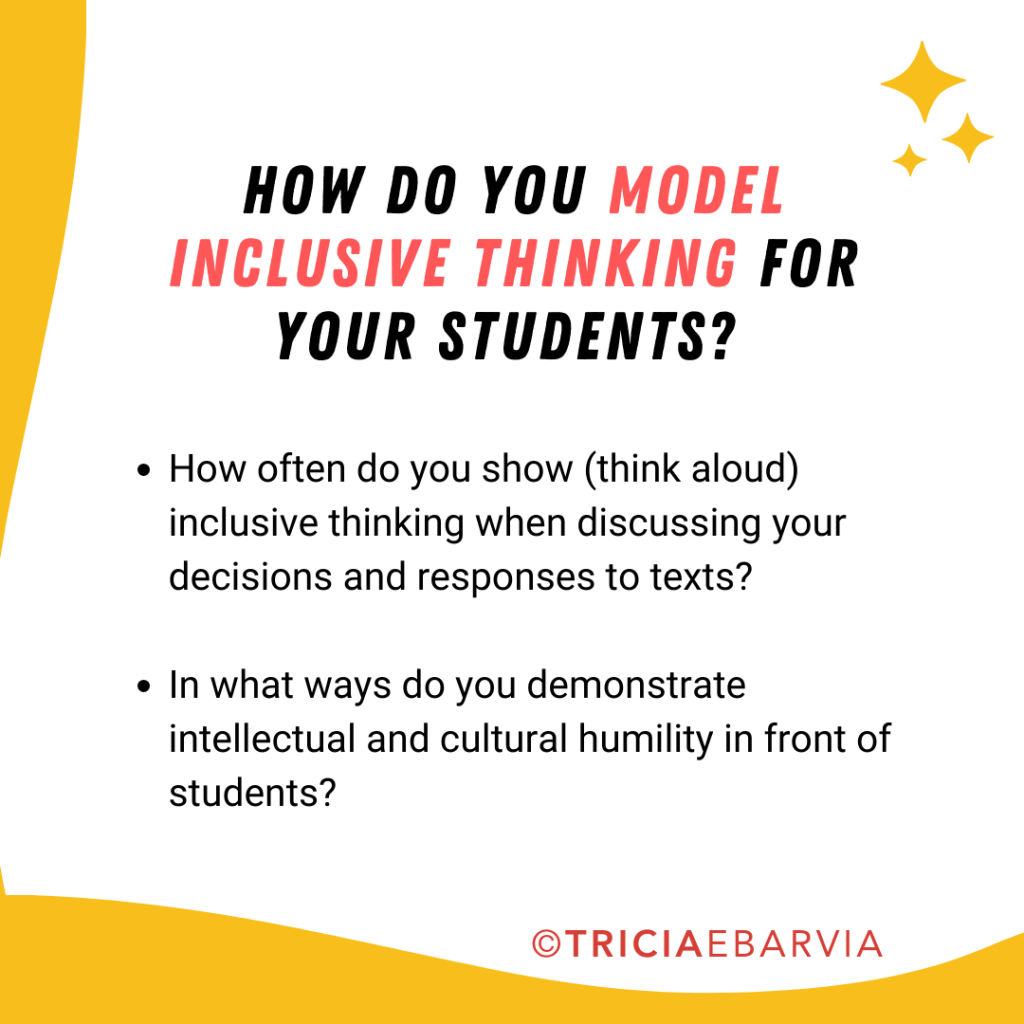
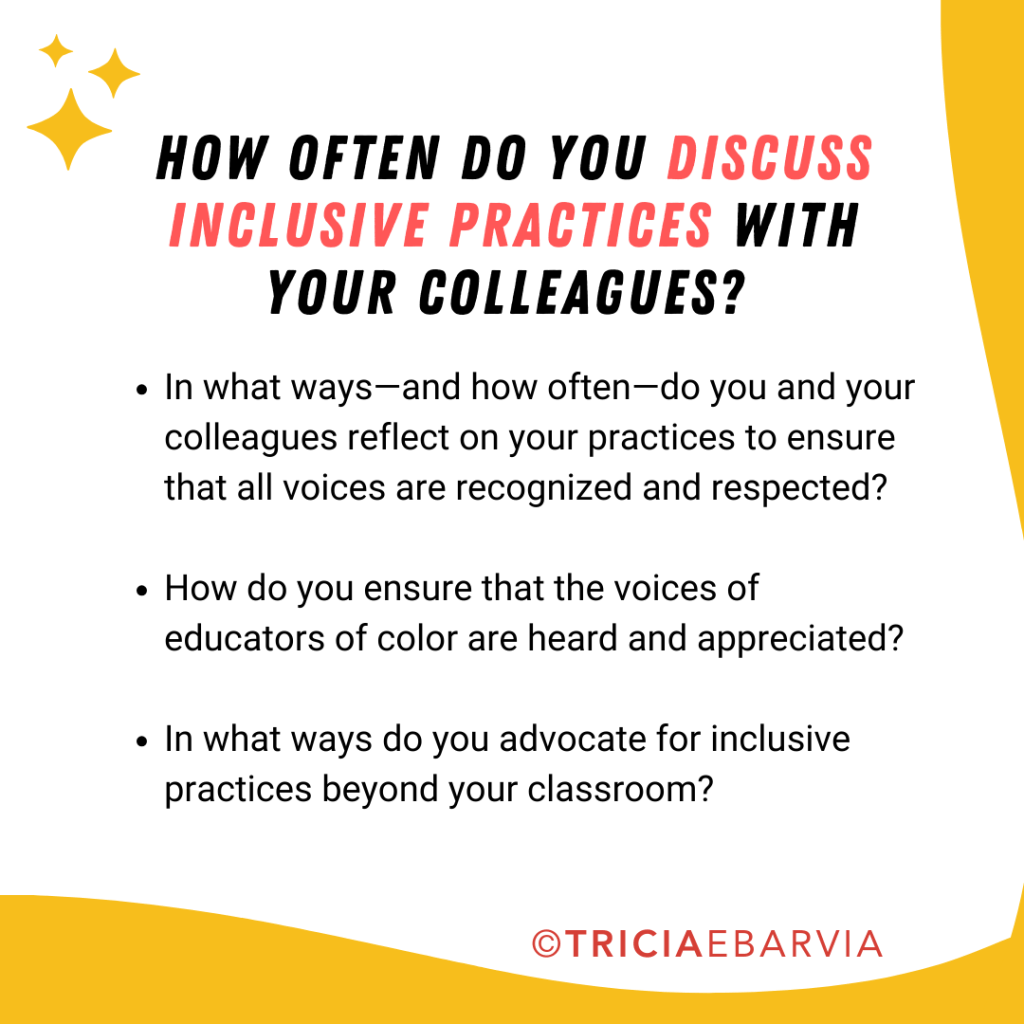

And on the topic of self-reflection… I write in my book is how critical it is to continuously interrogate our own biases and how these inform how we show up as educators. It’s why the first chapter of the book is called “Starting with Ourselves: We Teach Who We Are,” and why the first question in the guide below asks educators to reflect on how diverse and inclusive their own personal and professional reading lives are.
That said, as critical as this self-work is, it is also not enough. The truth is that any serious efforts to dismantle systemic oppression must actually address the system in systemic. The self-work around our individual biases is important and we must also recognize the larger system in which those biases are formed. For that reason, I also share some self-reflection exercises that asks educators to examine their individual identities in the context of a larger systemic framework, especially in school systems.
In the meantime, consider downloading the PDF guide offered here and use it as a starting point, an invitation to pause for a few moments in the busyness of a new school year.

 Tricia Ebarvia
You must be logged in to post a comment.